

Transform each room with a paint sheen that suits its light, use, and architecture. Sheen is more than a finishing detail: it affects how color appears, how easily walls can be cleaned, and whether surface imperfections catch your eye. In a custom home, the right finish helps your paint look intentional in every room and throughout the day.
For homeowners comparing interior painters in Austin, understanding sheen is a practical step toward a beautiful, durable result.
Why sheen matters in Austin homes
Paint sheen describes how much light a painted surface reflects. Matte and flat finishes reflect little light, while satin and semi-gloss create a more noticeable sheen. That difference can change how a color reads and how much visual attention a wall receives.
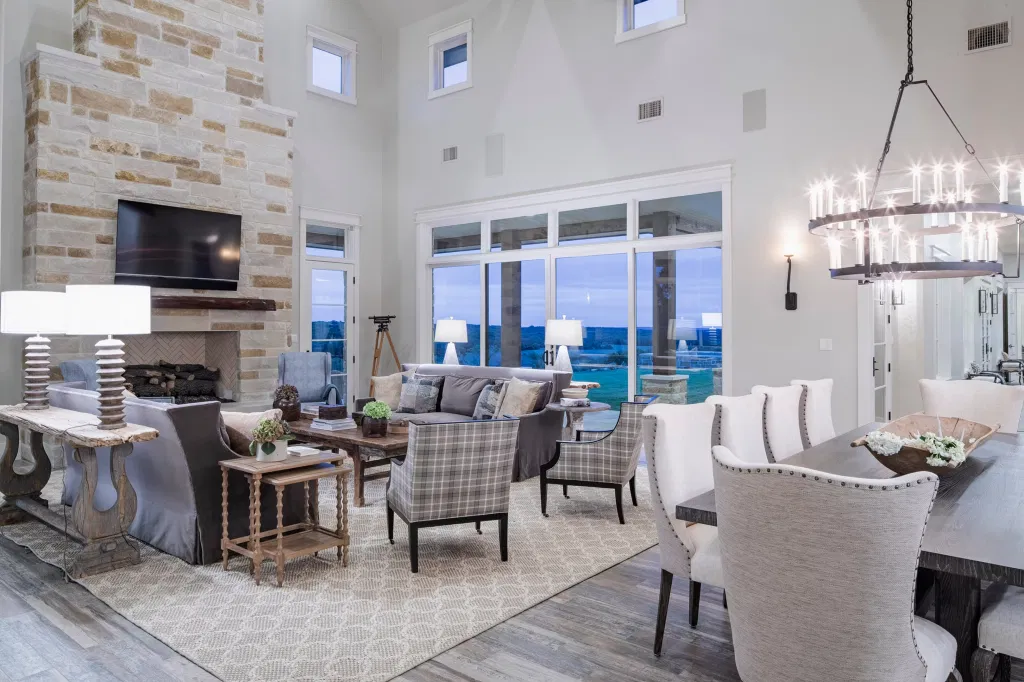
In Westlake, Barton Creek, and Tarrytown homes, large windows and glass walls bring strong natural light across broad interior surfaces. That light can make roller texture, drywall patches, and uneven areas more visible, especially with higher-sheen paint. Meanwhile, flat finishes tend to disguise minor surface variation, but may show burnishing or scuffs where a wall is rubbed or frequently touched.
Every sheen involves a trade-off. A finish that cleans more easily may reveal more surface imperfections. A low-sheen finish may conceal more, but require gentler cleaning. Sherwin-Williams’ paint sheen guide offers a useful overview; the best choice also depends on your room, lighting, and paint product.
Choose the right sheen room by room
Formal living and dining rooms: matte or dead-flat
For formal spaces where you want color and architecture to take center stage, matte or dead-flat paint can create a calm, low-glare look. These finishes help soften reflected light and are generally more forgiving of minor surface variations than shinier options.
Choose them when the walls are in good condition and the room does not need frequent scrubbing. For a dining room or living area with regular use, ask your painting professional about a premium matte paint formulated for improved washability.
Family rooms, hallways, and bedrooms: eggshell
Eggshell is a versatile choice for everyday spaces. Its subtle reflection adds a gentle glow and is usually easier to clean than a traditional flat finish, without the stronger shine of satin.
It works well in family rooms, hallways, and bedrooms that see regular activity. Keep in mind that window light can still reveal drywall irregularities or touch-up marks, so a smooth, well-prepared surface matters.
Kitchens and bathrooms: satin or semi-gloss
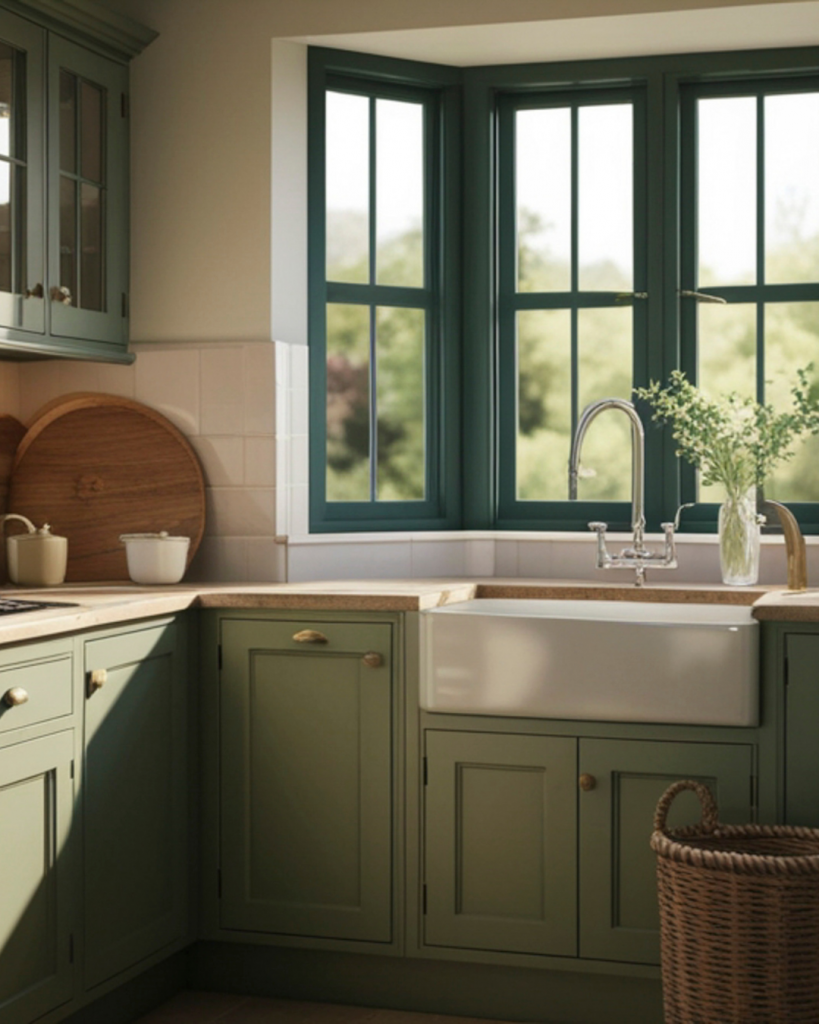
Kitchens and bathrooms often need more frequent cleaning and can experience moisture and splashes. Satin offers a practical balance of cleanability and moderate reflection. Semi-gloss is a stronger option for surfaces that need frequent wiping, such as selected bathroom walls or areas close to sinks.
Use ventilation appropriate to the room and follow the paint manufacturer’s recommendations. A higher sheen is not a substitute for addressing moisture problems, and it may highlight wall repairs more than a matte finish.
Trim, doors, and cabinetry: satin or semi-gloss enamel
Trim, doors, and cabinetry benefit from a coating designed for those surfaces. Satin gives a refined, less reflective appearance; semi-gloss offers a brighter look that is often easier to wipe clean. Both can work well when the surface is properly prepared and the product is suited to the job.
Erick Luna, Vice President and Senior Project Manager, prefers spraying enamel topcoats such as Emerald Urethane Trim Enamel for trim and Gallery Series Waterborne Topcoat for cabinetry when the project and surfaces are appropriate. A spray application can create a smooth, uniform film; proper masking, ventilation, and curing time are important parts of the process.
Ceilings: flat, ceiling-specific paint
Flat ceiling paint minimizes glare and helps reduce attention to small surface variations overhead. A product made for ceilings can also be easier to apply overhead, with less spatter than many standard wall paints. In most rooms, a low-reflectance ceiling creates a clean visual break from walls and trim.
Accent walls and millwork: make the contrast deliberate
A sheen contrast can draw attention to an accent wall, built-in, or decorative millwork. For example, a matte wall beside satin-finished paneling can distinguish the surfaces without relying on color alone.
Before choosing contrasting finishes, consider how light falls across the room. A feature wall in direct sunlight will reveal surface texture more readily at higher sheens. Test samples in place and view them with the room’s usual lighting and window coverings.
Balance washability, touch-ups, and surface preparation
Higher sheen often improves cleanability, but it can also make drywall seams, patch edges, nail pops, and uneven texture easier to see. Lower sheen is generally more forgiving visually, although some flat finishes can show burnishing when rubbed.
Touch-ups are another consideration. A matte wall may be easier to blend locally than a satin wall, where differences in sheen can catch the light. Even with the same color and product, a touch-up can look different if the existing paint has aged or the application method changes.
That is why preparation comes first. Before painting, a crew should assess the walls, repair visible damage, sand repairs smooth, and prime as needed. BLS Painting offers interior painting and drywall repair services, with preparation tailored to the surface and finish you choose.
Plan for light and application across an open floor plan
In an open plan, several wall surfaces may connect while receiving light from different directions. Keeping the same sheen across connected walls usually creates a consistent appearance. If you want a change, place it at a clear architectural transition (such as a corner, doorway, or distinct feature) not halfway across a continuous wall.
Sprayed and rolled finishes can also read differently. Spraying can leave a smooth, even film on properly prepared trim and cabinetry. Rolling creates a subtle surface texture on walls, which may be more noticeable as sheen increases. Neither method is automatically right for every surface; the goal is a consistent finish that suits the material and the home.
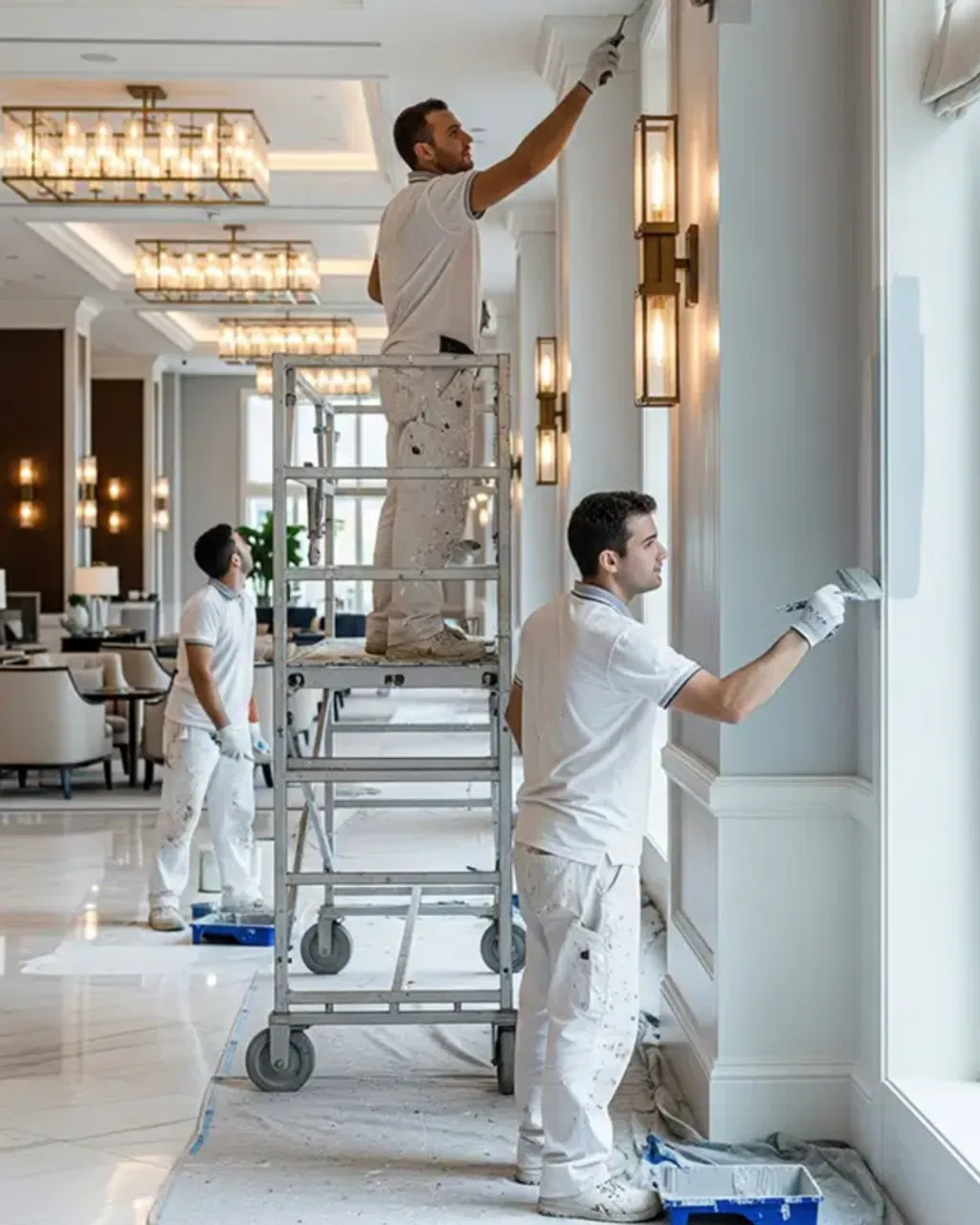
When planning luxury home painting in Austin, ask how the team will maintain consistent sheen and application across rooms with different light. Get an Estimate to discuss your surfaces, room use, and finish preferences with BLS Painting.
Why choose BLS Painting for your interior project?
- Skilled Craftsmanship: You get meticulous application and attention to detail suited to custom homes.
- Thoughtful Preparation: Your walls and trim receive preparation appropriate to the chosen finish.
- Clear Communication: You know what to expect as the project moves from consultation to final walkthrough.
- Local Experience: You work with a family-owned Austin painting company serving homeowners since 1995.
For residential painting in Austin, TX, choose professional painters who consider the surface, light, and use of each room, not just the paint color. Contact Us to plan your interior project.
Frequently asked questions
Does sheen affect how paint color looks?
Yes. Higher-sheen finishes reflect more light, which can make a color appear brighter or more dynamic. Matte finishes absorb more light and generally create a softer, less reflective appearance.
Can I mix sheens in an open-plan home?
Yes, when the difference is intentional and placed at a natural transition, such as a corner or doorway. For connected walls, using one sheen usually helps the space look consistent as daylight shifts.
Which sheen hides imperfections best?
Matte or dead-flat usually disguises minor surface variations better than satin or semi-gloss. Significant flaws still need repair and proper preparation before painting.
How often should walls be repainted?
It depends on room use, paint quality, surface condition, and maintenance. High-traffic areas may need attention sooner; repaint when wear, fading, stains, or damage affect the look or protection of the surface.
BLS Painting is Austin's Painting Contractor for Luxury Residences:
We proudly service the elite neighborhoods of Old Enfield, Tarrytown, Barton Creek, Pemberton Heights, and Spanish Oaks. Our expert crews also provide luxury estate services in Westlake, Rollingwood, Lakeway, Bee Caves, Driftwood, Dripping Springs, Spicewood, and Buda, as well as other premier residential areas surrounding Austin, Texas.
Leave a Reply